Showing posts with label food. Show all posts

Monday, July 19, 2010

Good tips for Heart

 
1. Drink eight glasses of water a day. 

2. Include two vegetables and one fruit in every meal.

3. Begin each meal with a raw vegetable salad.

4. Make a light snack of assorted sprouts.

5. Start the day with a glass of warm water and a dash of lime..

6. Use only fresh vegetables.

7. Once a week have only fresh fruits until noon, make lunch the first meal of the day.

8. Eat only freshly cooked meals, not refrigerated leftovers.

9. Include one green vegetable and one yellow vegetable in every meal.

10. Go on a juice fast for a day. Start with vegetable juice, and sip fruit for lunch and dinner..

11. Kick the old coffee habit. Have a glass of fresh fruit juice instead.

12. Cut out all deep-fried foods from your diet.

13. Cut down on high sugar products like soft drinks, ice-cream, candy and cookies in your diet.

14. Never skip a meal, even if you're on a diet. Eat a fresh fruit or have vegetable juice instead.

15. Avoid beverages like soda, coffee, colas and so on.

16. Include high fiber foods and plenty of fruits, vegetables and grains in planning your diet.

17. Use salt in moderation

18. Wash vegetables thoroughly in clean water before chopping.

19. Stream or boil vegetables (rather than fry or saute).

20. Retain peels of potato, cucumber, carrot and tomato while cooking.

21. Do take a moment off to mentally list out the nutritional value of the food you're about to eat.

22. Don't rush through your meals. Set aside enough time to appreciate, enjoy and digest your food.

23. Make every meal an enjoyable experience. Set dishes out attractively and chew slowly to appreciate the full flavor of the foods you eat.

24. Choose to be radiantly healthy. Keep yourself informed about the nutritive value of every food you buy.

25. Shop for groceries yourself. Notice the look, feel and smell of fresh fruit and vegetables and enjoy their intrinsic goodness.

26. Watch out for eating habits paired with emotional states, like reaching for a chocolate when youre depressed. Resist the urge and eat fruit instead.

27. Eat popcorn (rather than chips) while watching a movie.

28. Sit at the table at meal times. Don't read the paper or review bills while eating.

29. Make it a point to have dinner with the entire family at the table, and not in front of the TV.

30. Eat just to the point of the fullness. Don't stuff yourself!

31. Stop smoking.

32. Restrict alcohol consumption.

33. Get a good night's sleep, every night.

34. Enroll today in an exercise programme.

35. Take a brisk, 20 minute invigorating walk each morning.

36. Spend 10 minutes every morning and evening doing basic stretches.

37. Do not use elevators when you can climb the stairs.

38. Enroll in a TM programme today.

39. Focus on your breathing. Take a deep breath, then exhale slowly. Repeat a couple of times a day.

40. Learn to relax. Spend 20 minutes consciously relaxing each muscle of your body. . Spend 20 minutes a day in silent meditation, prayer or contemplation.

42. Learn the healing power of laughter. Watch a crazy movie, recall a joke or read a funny book and laugh out loud.

43. Tap the powers of your sub-conscious. Relax your body for 20 minutes and project the Perfect You're on your mind screen.

44. Balance your lifestyle. Devote equal time each week to work and fun.

45. Join kids in a sports activity and rediscover the joys of childhood.

46.. Do keep in touch with friends. Call up or visit them and be at peace with the world.

47. Enroll in an activity (like dancing, swimming or roller skating...) you never indulged in because you were afraid of what people might say.

48. Forgive someone who you think has done you wrong and cleanse your spirit of rancor.

49. Do a nice turn to someone you don't know too well, but who could do with a friend.

50. Spend a quiet half-hour chatting with your family.

51. Listen to soothing music for 15 minutes at least each day.

52. Read a great book once a week.

Saturday, July 17, 2010

Natural Painkillers : Informative

 Fish oil

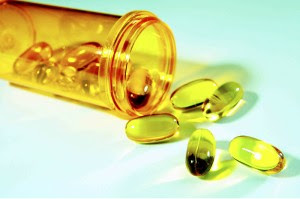
Fish oil contains two essential omega-3 fatty acids, eicosapentaenoic acid (EPA) and docosahexaenoic acid (DHA). These fatty acids are known to block the production of inflammatory chemicals called cytokines and leukotrienes in the body, which are responsible for a range of painful conditions including rheumatoid arthritis, Crohn's disease, gout and sinusitis. Researchers found that eating 3 g of fish fats a day relieved the joint pain, inflammation, and morning stiffness associated with rheumatoid arthritis (RA) and reduced the drug requirement. In another study of rheumatoid arthritis patients, daily supplementation with 2.7 grams of EPA and 1.8 grams of DHA resulted in striking reduction in the number of tender joints and increase in the time span before fatigue appeared. Various other studies have put forth that the same dosage of fish oil can reduce the severity of Crohn's disease by more than 50 per cent and make it possible for many patients to stop anti-inflammatory medication and steroids.

Olive oil

Olive oil has been found to contain a natural chemical which acts like the anti-inflammatory pain killer ibuprofen. The active ingredient in olive oil is oleocanthal, which influences the same biochemical pathway as ibuprofen and other non-steroidal anti-inflammatory drugs (NSAIDs). The researchers concluded that 50 gram of extra-virgin olive oil was comparable to about 10 per cent of the ibuprofen dose recommended for adult pain relief. Although headache will not be cured with this, yet regular olive oil consumption is expected to provide some of the long-lasting benefits of ibuprofen.

Tart cherries

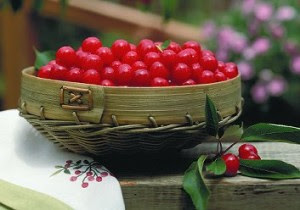
According to researchers at Michigan State University, the eating about 20 tart cherries may relieve pain better than aspirin and may also exhibit antioxidant properties comparable to supplements like vitamin E. That number of cherries are said to contain 12-25 milligrams of the active ingredients, called anthocyanins. Anthocyanins inhibited cyclooxygenase- 1 and -2 enzymes, which were the targets of anti-inflammatory drugs at doses more than ten times lower than aspirin. Thus daily consumption of cherries has shown the potential to reduce pain related to inflammation, arthritis and gout.

Saliva

Saliva has been found to generate a natural painkiller of up to six times more strength than morphine. The substance produced by human saliva is similar to opiorphin and has been said to generate a new class of natural painkillers that are far better than the traditional drug morphine, which has many addictive and psychosomatic side effects. The researchers demonstrated that the opiorphin acts in nerve cells of the spine and stops the usual destruction of the natural pain-killing opiates, known as the enkephalins.

White willow bark

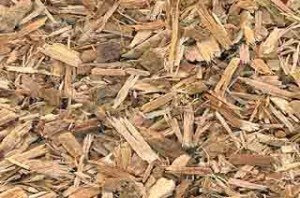
White willow bark decreases pain by blocking the production of inflammatory prostaglandins. White willow bark is also a very effective fever reducer. It is said to contain a compound called salicylic acid and aspirin (acetyl salicylic acid) is a synthetic form of this compound. White willow bark provides all pain-relieving benefits of aspirin. Conventionally is safer then aspirin and other synthetically derived salicylate based anti-inflammatory drugs. No contra-indications and serious side effects have ever been reported by medical science. It is said to provide relief to headache, toothache, backache or even arthritis.
It is important to keep in mind that white willow bark should not be taken with aspirin, or by people who sensitive to salicylates. Though it is far less irritating to the stomach, yet it should be avoided by people with gastritis or ulcers, or could be used in suppository form only. It should not be used by children under 16, because of the associated possibility of developing Reye's syndrome in children during a viral infection.

MSM

MSM (methyl-sulphonyl- methane) is a naturally-occurring sulphur compound. It is a powerful painkiller with anti-inflammatory, anti-spasmodic and analgesic properties, and it inhibits the transmission of pain impulses. In a double-blind study conducted at the UCLA School of Medicine in America, researchers showed that 80 per cent pain control was achieved within six weeks in degenerative arthritis patients receiving MSM, but only a negligible improvement was observed in the control group. It is available both as a dietary supplement and as a cream for topical application.
Glucosamine and chondroitin
Glucosamine and chondroitin are nutritional supplements that significantly reduce the pain of arthritic joints. In Europe oral glucosamine is a commonly used pain killer and is even approved as a prescription drug. They may also be effective in topical use. The results of a study put forth that a cream containing glucosamine, chondroitin and camphor decreased arthritic knee pain more than a placebo cream.

Boswellia

Clinical trials have proved that the Indian herb boswellia is as effective as conventional drugs for both chronic and minor pains. Boswellic acids, the active ingredients in boswellia, are more potent and less toxic than standard NSAIDs. Boswellic acids decrease the production of inflammatory compounds, the leukotrienes that are implicated in many chronic diseases such as rheumatoid arthritis. Boswellia is available both as a supplement and as a topical cream. A comparative study conducted on 175 rheumatoid arthritis patients demonstrated that 97 per cent of these patients had moderate to excellent recovery from pain, swelling and morning stiffness after consuming 450 to 750 mg of boswellic acids daily for three to four weeks. These results were comparable to those for patients taking ketoprofen and phenylbutazone, but unlike the drug treatments boswellic acids produced no adverse effects.

Devil's claw

Devil's claw, native to South Africa is another herb that is best known for alleviating back pain and arthritis. The active ingredients in this herb are called iridoid glycosides that are responsible for producing its analgesic and anti-inflammatory effects. A French trial found it as effective as, and safer than, the anti-arthritis drug diacerhein. One four-month study included around 120 people with knee and hip osteoarthritis and put forth that devil's claw decreased pain and increased function as good as a regular osteoarthritis medicine, but with a lot fewer side effects. People with gastric ulcers should consume devil's claw with caution since it increases the gastric acid production.

Curcumin

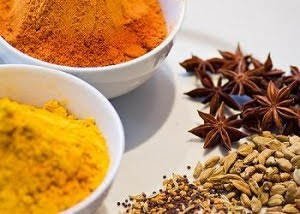
Turmeric contains the compound curcumin, which is a powerful painkiller known to block inflammatory proteins and enhance the body's ability to suppress inflammation. Turmeric is used in place of NSAIDs without any side effects to the organs including stomach, heart, liver and kidneys. Various studies put forth that curcumin eases the chronic pain of rheumatoid arthritis. The pain relievers found in curcumin stop the neurotransmitter substance P from sending its pain signals to the brain. Curcumin also decreases inflammation by reducing prostaglandin activity. 400 to 600 mg of curcumin should be consumed three times daily. In order to improve absorption, it can be consumed with equal amounts of bromelain, an anti-inflammatory enzyme found in pineapples20 minutes before meals.

Friday, June 18, 2010

10 tips for good night's sleep

Stick to a schedule. Erratic bedtimes do not allow for your body to align to the proper circadian rhythms. Mum was right when she set a time we always had to go to sleep as kids. Also, make sure you try to keep the same schedule on weekends too, otherwise the next morning, you’d wake later and feel overly tired.


Sleep only at night. Avoid daytime sleep if possible. Daytime naps steal hours from nighttime slumber. Limit daytime sleep to 20-minute, power naps.


Exercise. It’s actually known to help you sleep better. Your body uses the sleep period to recover its muscles and joints that have been exercised. Twenty to thirty minutes of exercise every day can help you sleep, but be sure to exercise in the morning or afternoon. Exercise stimulates the body and aerobic activity before bedtime may make falling asleep more difficult.


Taking a hot shower or bath before bed helps bring on sleep because they can relax tense muscles.


Avoid eating just before bed. Avoid eat large meals or spicy foods before bedtime. Give yourself at least 2 hours from when you eat to when you sleep. This allows for digestion to happen (or at least start) well before you go to sleep so your body can rest well during the night, rather than churning away your food.


Avoid caffeine. It keeps you awake and that’s now what you want for a good nights sleep. We all know that.


Read a fiction book. It takes you to a whole new world if you really get into it. And then take some time to ponder over the book as you fall asleep. I find as I read more and more, regardless of the book, I get more tired at night and so find it easier to fall asleep. Different for others?


Have the room slightly cooler. I prefer this to a hot room. I prefer to turn off the heat and allow the coolness to circulate in and out of the windows. If I get cold, I wear warmer clothes. It also saves on the bills as you’re not going to require the heat all night long.


Sleep in silence. I find sleeping with no music or TV on more easy and restful. I guess others are different, but sleep with no distractions is best for a clearer mind.


Avoid alcohol before bedtime. It’s a depressant; although it may make it easier to fall asleep, it causes you to wake up during the night. As alcohol is digested your body goes into withdrawal from the alcohol, causing nighttime awakenings and often nightmares for some people.

Friday, June 4, 2010

10 Important Things ....!!

1.      No Breakfast
People who do not take breakfast are going to have a lower blood sugar level. This leads to an insufficient supply of nutrients to the brain causing brain degeneration and heart problems. 

2.      Overeating
It causes hardening of the brain arteries, leading to a decrease in mental power.

3.      Smoking
It causes multiple brain shrinkage and may lead to Alzheimer disease.

4.      High Sugar consumption
Too much sugar will interrupt the absorption of proteins and nutrients causing malnutrition and may interfere with brain development.

5.      Air Pollution
The brain is the largest oxygen consumer in our body. Inhaling polluted air decreases the supply of oxygen to the brain, bringing about a decrease in brain efficiency

6.      Sleep Deprivation
Sleep allows our brain to rest.. Long term deprivation from sleep will accelerate the death of brain cells.

7.      Head covered while sleeping
Sleeping with the head covered, increases the concentration of carbon dioxide and decrease concentration of oxygen that may lead to brain damaging effects.

8.      Working your brain during illness
Working hard or studying with sickness may lead to a decrease in effectiveness of the brain as well as damage the brain.

9.      Lacking in stimulating thoughts
Thinking is the best way to train our brain, lacking in brain stimulation thoughts may cause brain shrinkage

10.  Talking Rarely
Intellectual conversations will promote the efficiency of the brain.

Sunday, May 30, 2010

Drink Green Tea To Boost Your Health

Green tea, which is loaded with antioxidants, should feature on every person's daily menu because it helps in weight loss, in fighting heart ailments and in preventing cancer.

Green tea is laden with Polyphenols, which are the most powerful antioxidants discovered till today. Green tea help in weight loss by igniting your metabolism, retarding the absorption of fat in the body and by making you feel less hungry. Besides these the Polyphenols present in green tea help in neutralizing the damaging free radical and thus preventing the fat from accumulating under our skin. The caffeine, present in green tea is what helps in curbing your appetite. If you're even a few pounds above the normal weight range, green tea can be of considerable help in losing those extra pounds.

Boost your heart health with green tea

People who are regular green tea drinkers face fewer heart problems, since green tea helps in better functioning of the blood vessels. The flavanoids present in green tea, help in regulating normal hear function and in preventing heart ailments like atherosclerosis and plaque deposits. The antioxidants present in green tea help in fighting cholesterol and in lowering triglyceride levels. Green tea is in fact so good for your heart that green tea supplements have also arrived it the market. These supplements containing decaffeinated extract of green tea are often advised for problems like hypertension and high cholesterol. Add a cup of green tea to your daily diet and you'll be able to keep heart problems at bay.


Prevent cancer with green tea

Green tea holds an answer to even the most dreaded of all health problems –cancer. The antioxidants found in green tea, do wonders in fighting free radical damage to the tissues by neutralizing the free radicals, and thus your tissues stay much healthier. The fact that green tea can fight cancers has been proven in many lab studies.

So by now I have convinced you all to get into the habit of drinking green tea if you wan tot stay healthy and disease free.